My work @ Opentrons
Below, you’ll find some of the projects that I’ve worked on. For in-depth case studies with details on my design process and thinking, let’s chat!
Protocol Designer
Programming robots to help with lab automation tasks is daunting. Many scientists do not have the coding skills to comfortably program liquid handling robots to do what they want.
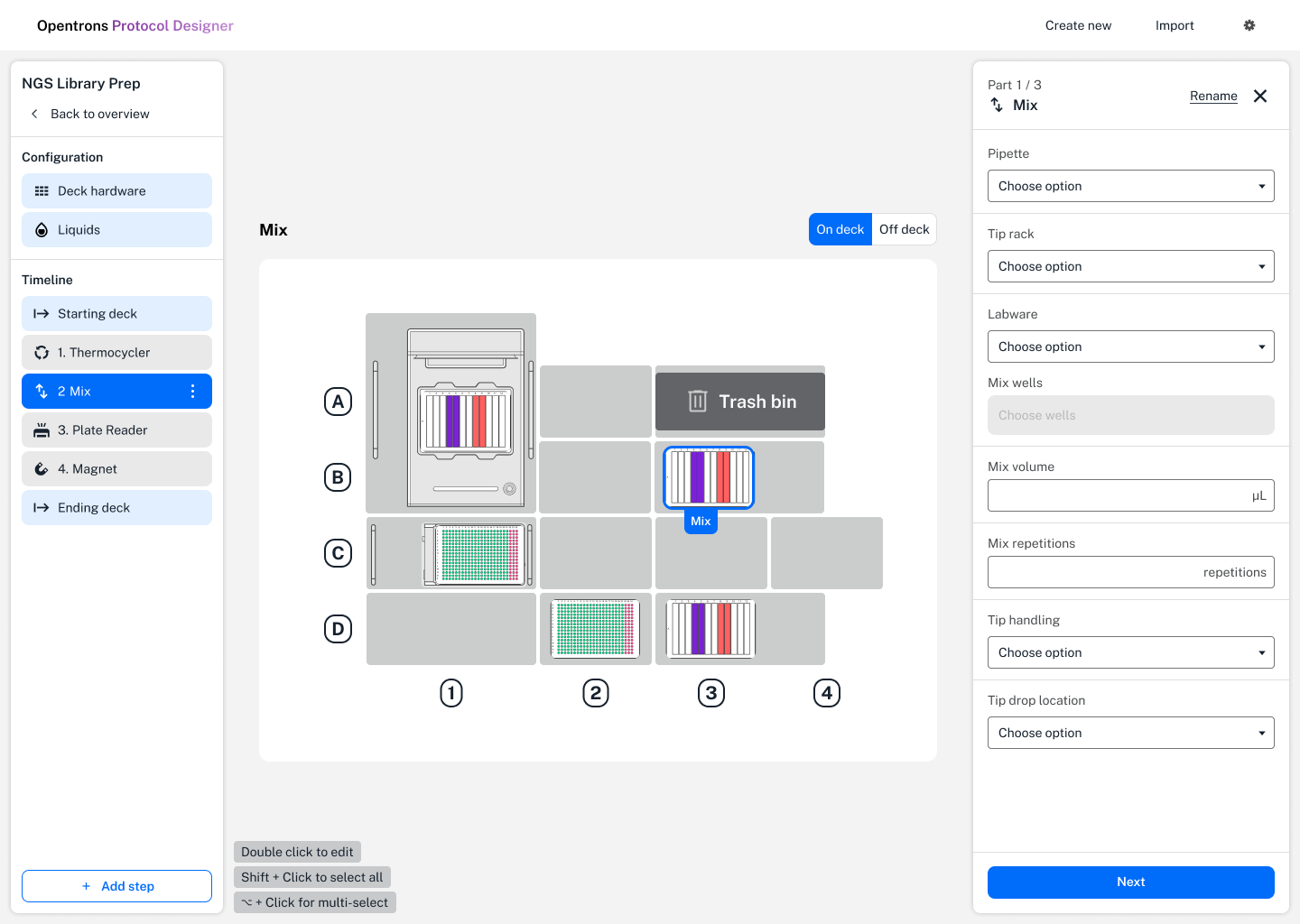
Protocol Designer is a no-code solution that differentiates Opentrons from its competitors. In 2024, I lead a redesign of the tool, which served as a foundation for future features to be added on into 2025.
5000+
Protocols created monthly (5x increase)
3000+
Monthly active users (4x increase)
Since the launch of the redesign, we’ve continued to add features that make Protocol Designer best-in-class software in the world of lab automation. For more information on this work, .
Flex Stacker
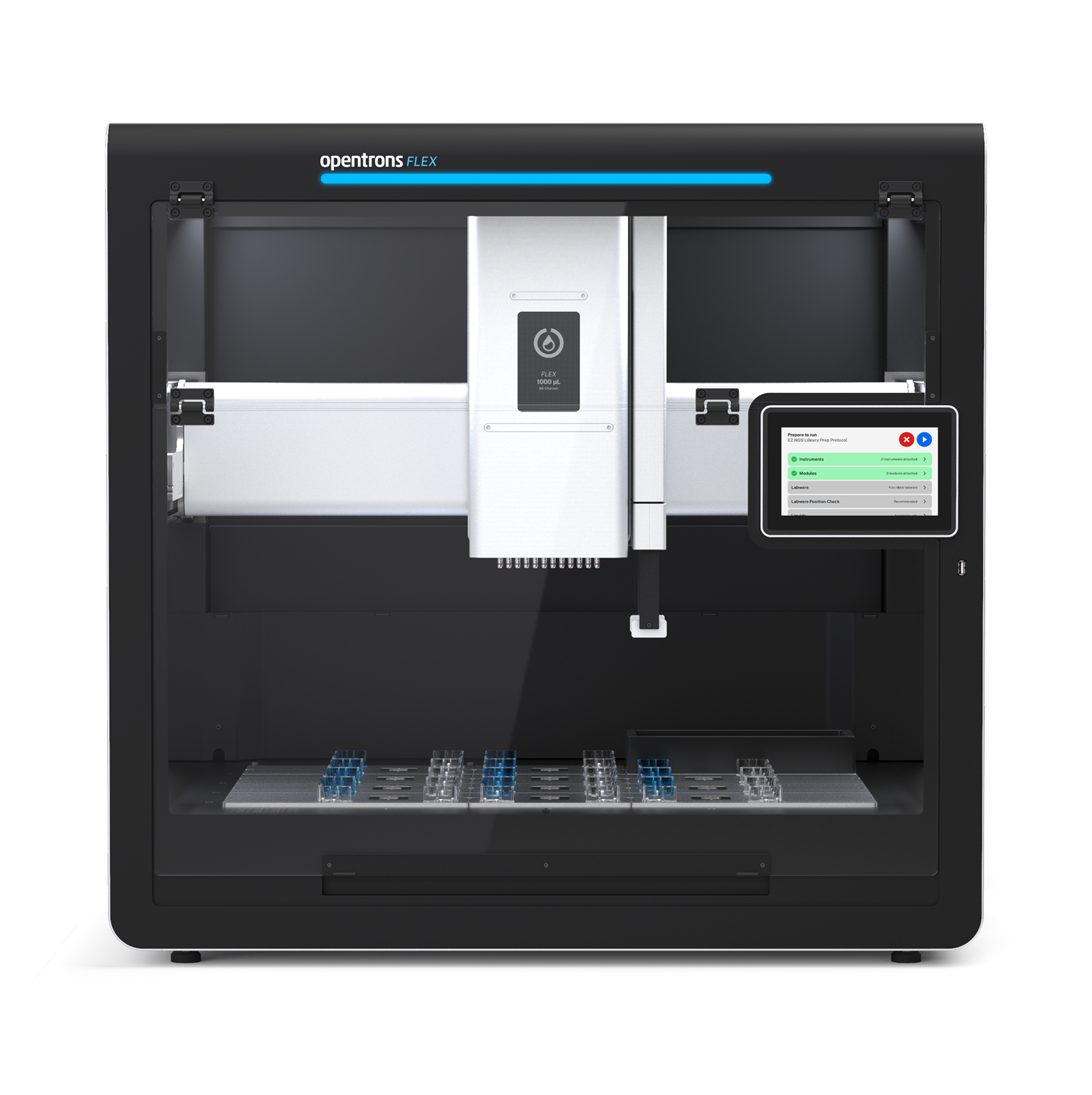
The stacker is a hardware module for the Opentrons Flex robot that increases overall throughput capacity and walkaway time, geared towards the high-throughput NGS market (with workflows enabling scientists to study underlying mechanisms of disease).
Adding the stacker into the Opentrons software ecosystem was a challenge that required many changes, including:
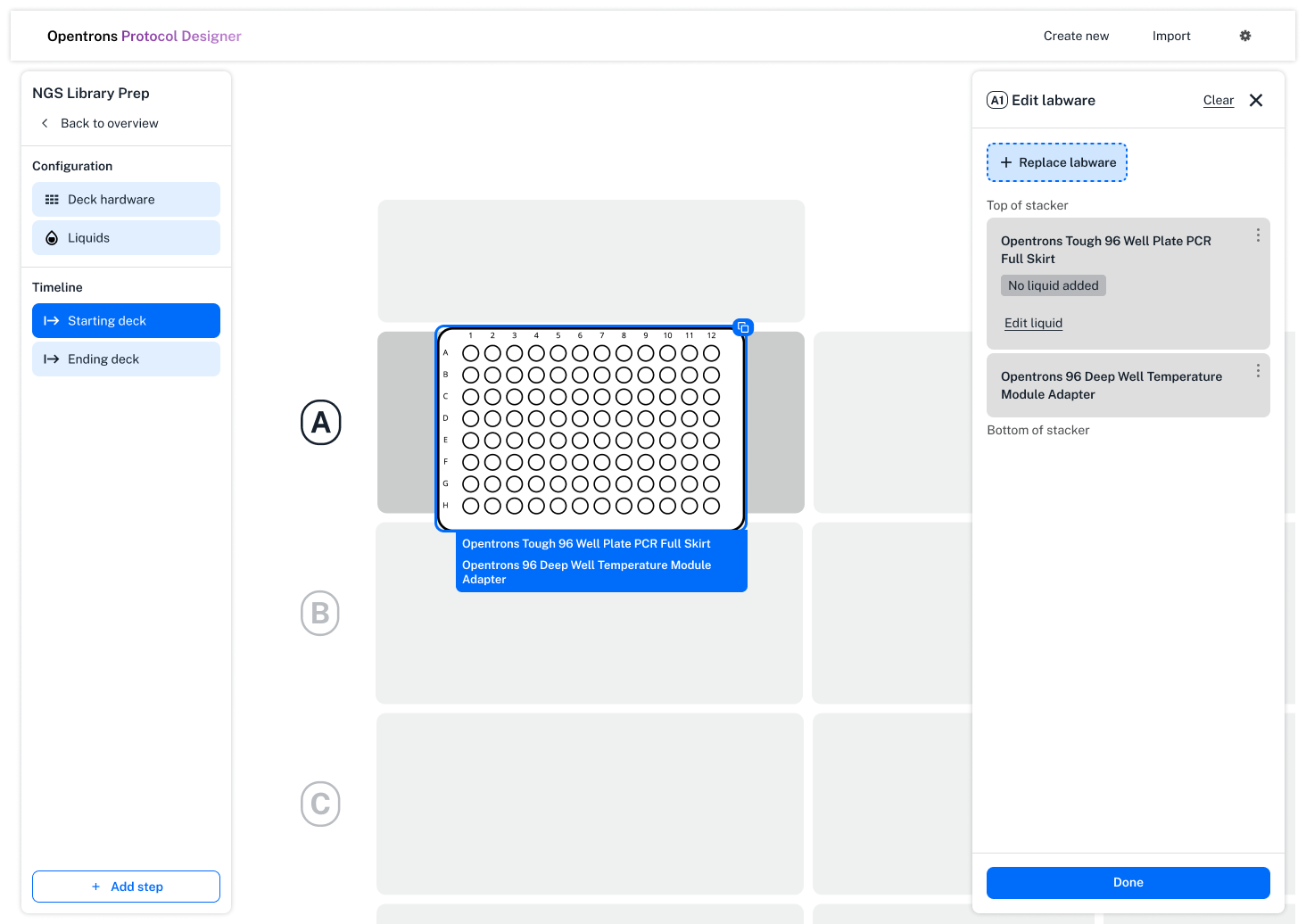
- Introducing labware stacking
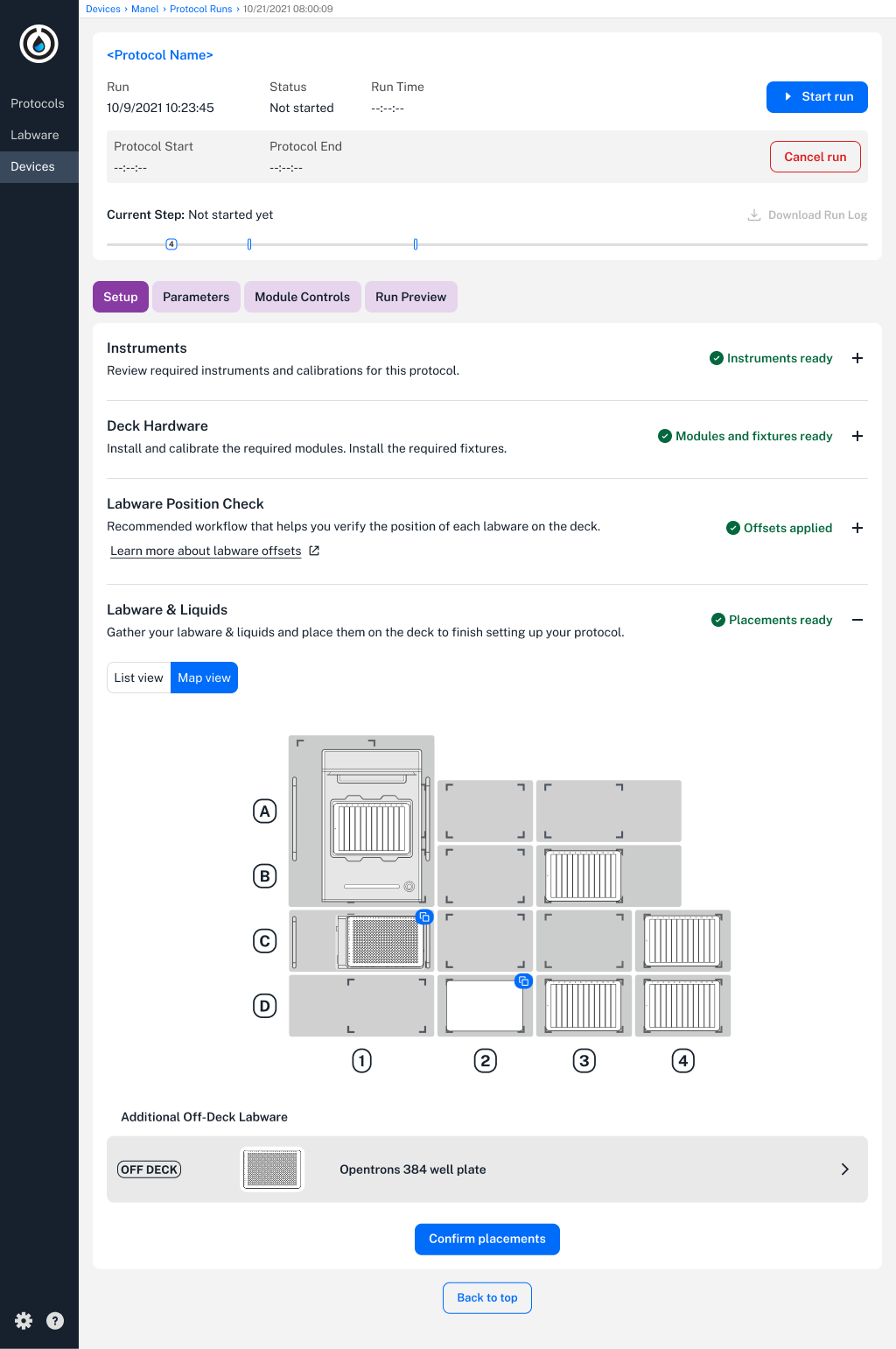
- Designing an experience to help scientists set up protocols with the stacker
- Supporting stacker commands inside of Protocol Designer
- Designing error recovery experiences that allow scientists to recover from errors that may occur
$1M+
Open opportunities in the pipeline
$550,000
Revenue from hardware sales
Quick Transfer
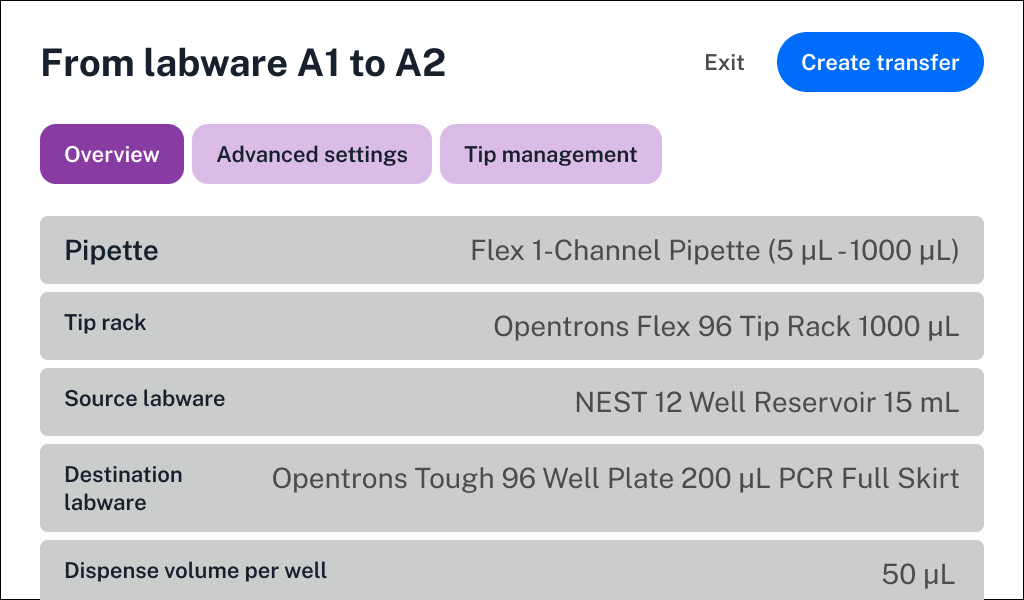
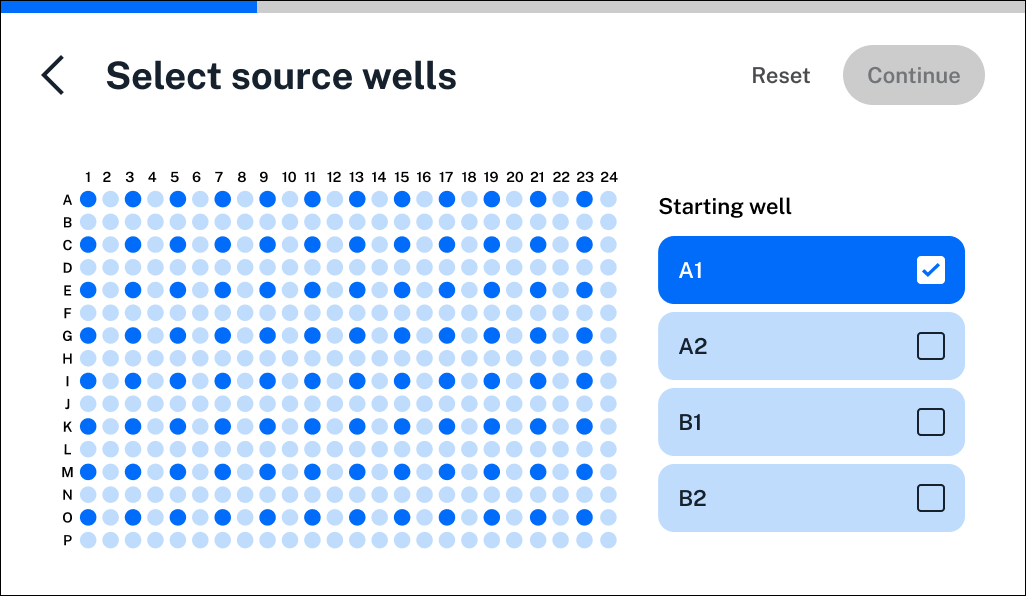
The quick transfer experience offers quick and easy workflow automation using the Flex robot touchscreen. Primarily geared towards basic lab automation tasks like plate filling and prep protocols, quick transfers are an entry point into beginning to automate in your lab.
Opentrons sales teams primarily use this feature to demonstrate how quick and easy it is to automate certain tasks in the lab.
$1.1M+
Robot sales headlining this feature
Product Analytics
I worked with the dev team to define product metrics to track, and then built a suite of product analytics dashboards in Mixpanel to track user behavior across Opentrons' software ecosystem.
By implementing robust event tracking, I enabled cross-functional visibility into how scientists interact with our tools.
Data from Mixpanel has directly informed the development and prioritization of high-impact features, including partial tip pickup, liquid class customization, and stacker support. This work drove a more data-informed approach to product development across the organization.
1
Monthly report to executive leadership
Cross Functional Workshop
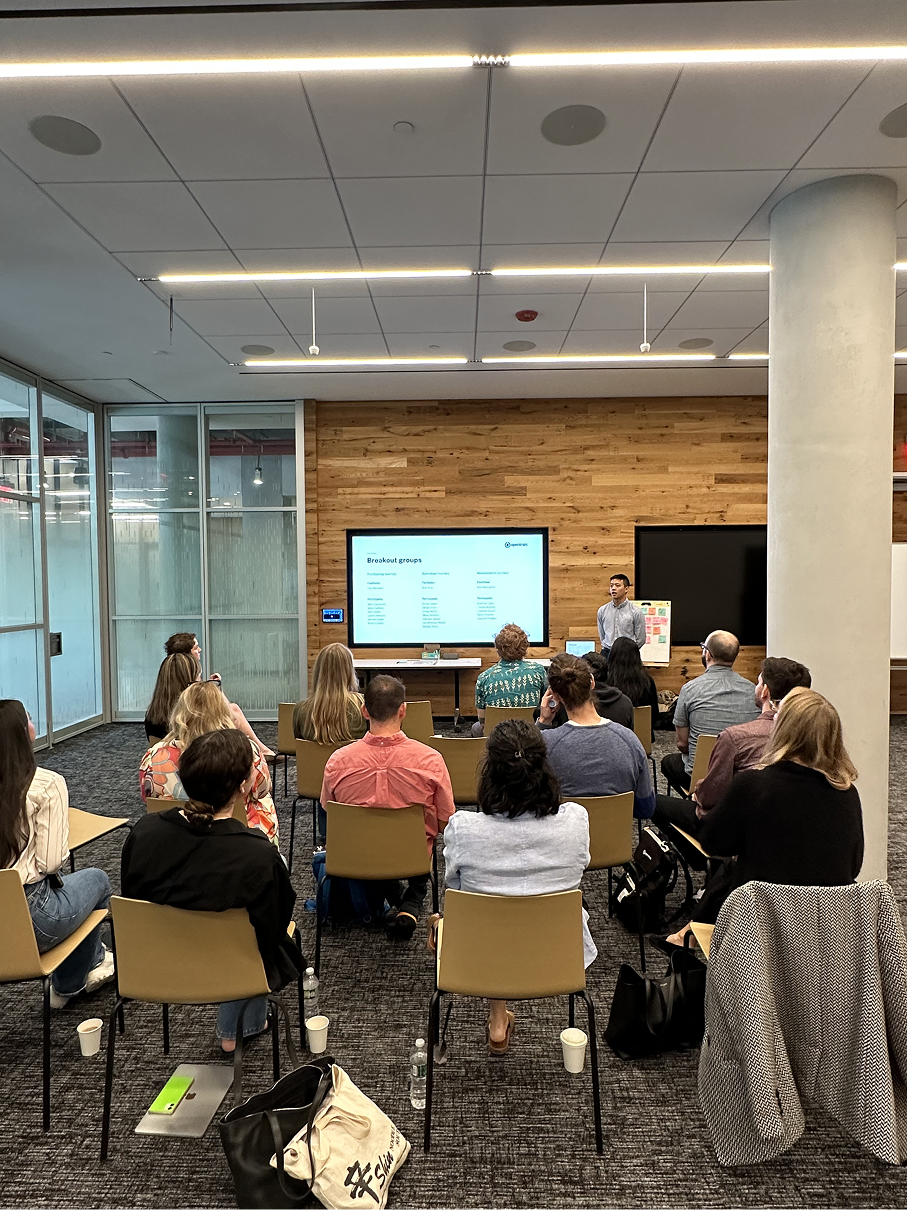
At the end of 2023, I planned and facilitated a full-day design thinking workshop for our cross-functional leadership. We focused on applying a human-centered approach to improve customer experience.
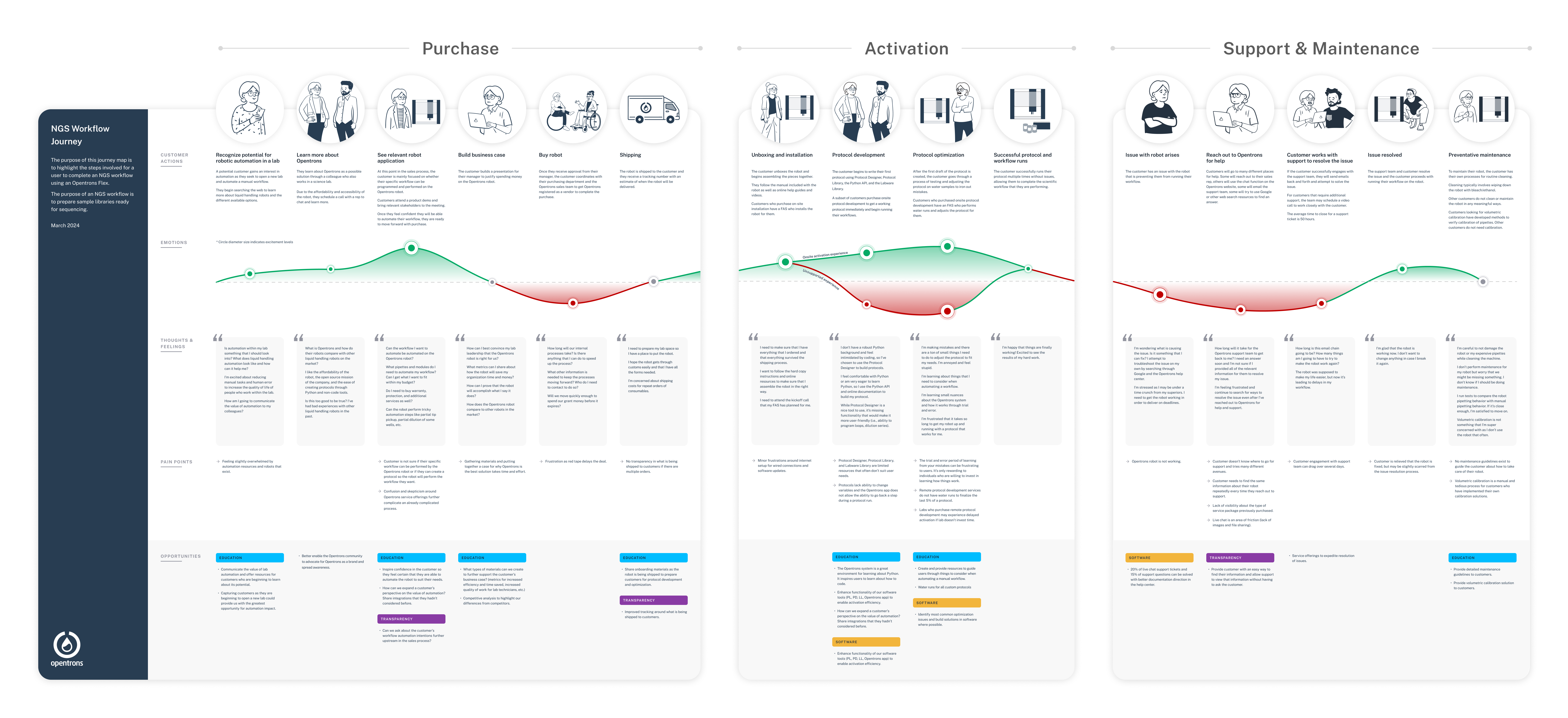
Drawing on user research that I had conducted, we explored customer journey pain points across purchasing, activation, and support. Through collaborative activities like "How Might We" framing, ideation, and concept development, we generated ideas aimed at solving customer problems.
The workshop fostered alignment on strategic priorities and shaped the product roadmap for 2024.
2
Implemented projects to improve customer experience (9 ideas generated)
1
Product roadmap for 2024/25