Gilson Snow
Understanding skiers and snowboarders to unearth opportunities for impact.
Role
User research
Client
Snow sports manufacturer
Duration
November 2021 - December 2021 (6 weeks)
Understanding skiers and snowboarders to unearth opportunities for impact.
User research
Snow sports manufacturer
November 2021 - December 2021 (6 weeks)
Gilson Snow is the largest producer of custom snowboards and skis. Based in New Berlin, Pennsylvania, the company was founded in 2013 by Nick Gilson (CEO) and Austin Royer (COO). They developed an unique 3-D design based on the observation that objects moving through a fluid are curved to maximize efficiency. Gilson and Royer patented this design and formed Gilson Snow to sell mass-customized snowboards and skis using the patented “soft edge”technology.
Gilson asked us to dive into their customer data to uncover insights about their current and prospective customers. We supplemented our quantitative exploration of their data with qualitative research methods to provide Gilson with a deeper understanding of how they can build their business and marketing strategies.
Our team created data-driven customer journey maps and personas as a tool for Gilson Snow to identify unmet needs and build a competitive strategic position within the industry.
We recently met up with our clients at Gilson Snow, they shared that they have been using our research insights to update messaging across their marketing channels and change their retail experience.
We conducted both quantitative and qualitative research throughout the duration of this engagement.
Our quantitative research was conducted through the synthesis of data that Gilson had provided to us. The company shared their customer purchase data, survey data, newsletter data, and social media data for us to analyze and extract insights.
We conducted qualitative research by performing ethnographic research and semi-structured interviews. We observed shopping and sales behavior at local ski/snowboard stores, and called sales associates within the local area to learn about how they sell product. Finally, we interviewed Gilson industry partners, Gilson customers, and individuals close to us who ski/snowboard.
We synthesized our ethnographic research by building an extensive affinity diagram. This affinity diagram helped us to identify pain points and opportunities.
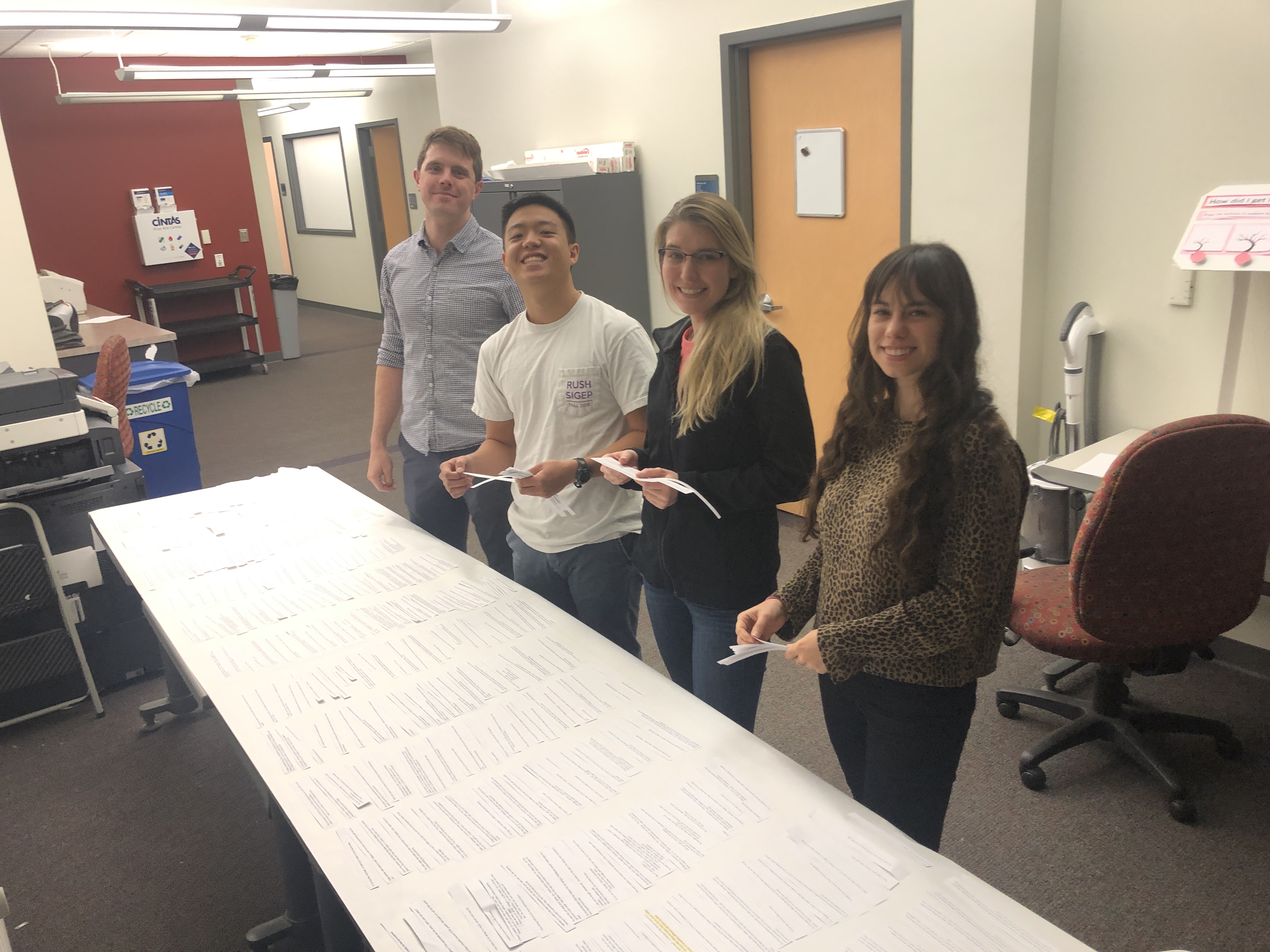
"I could swim in this data"
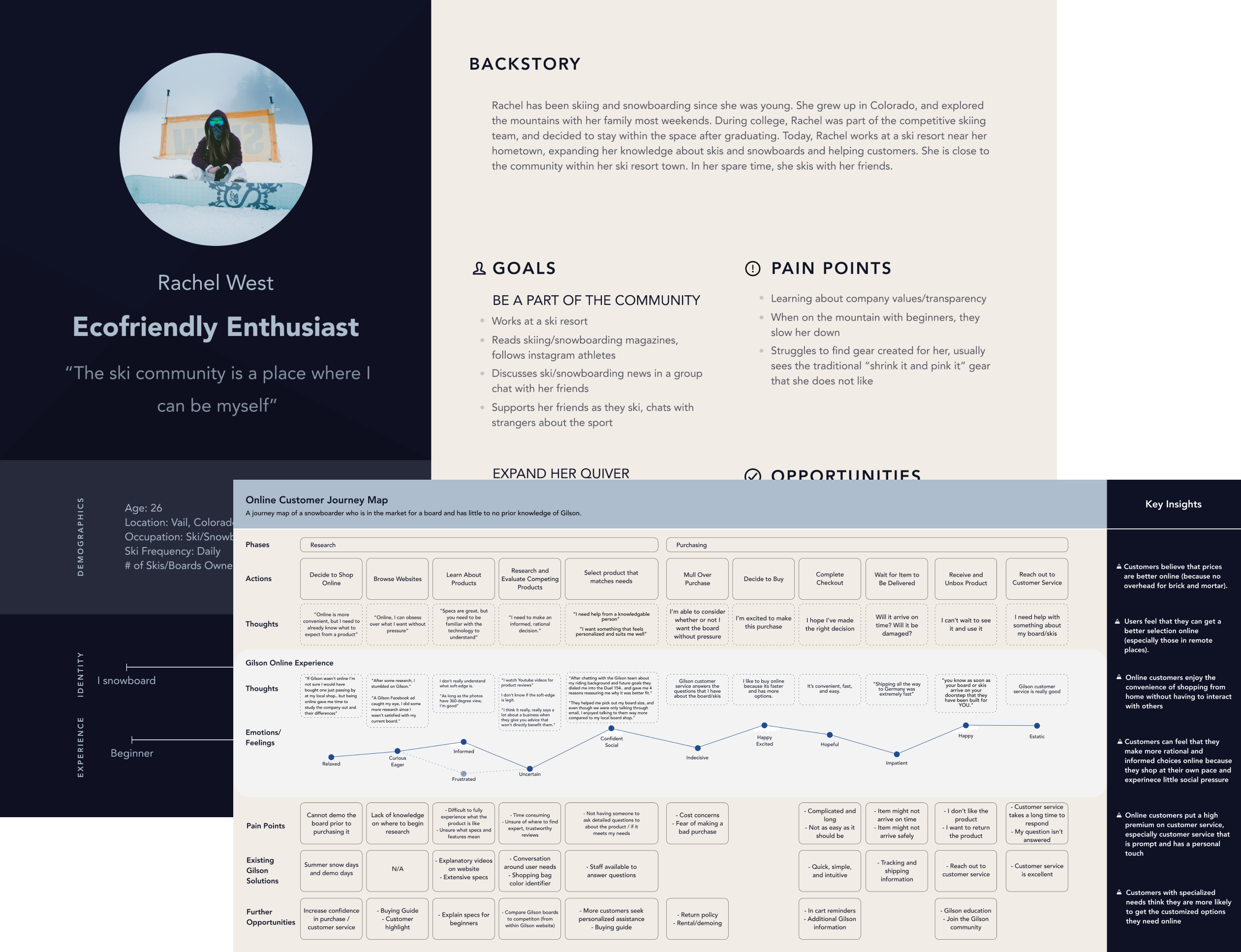
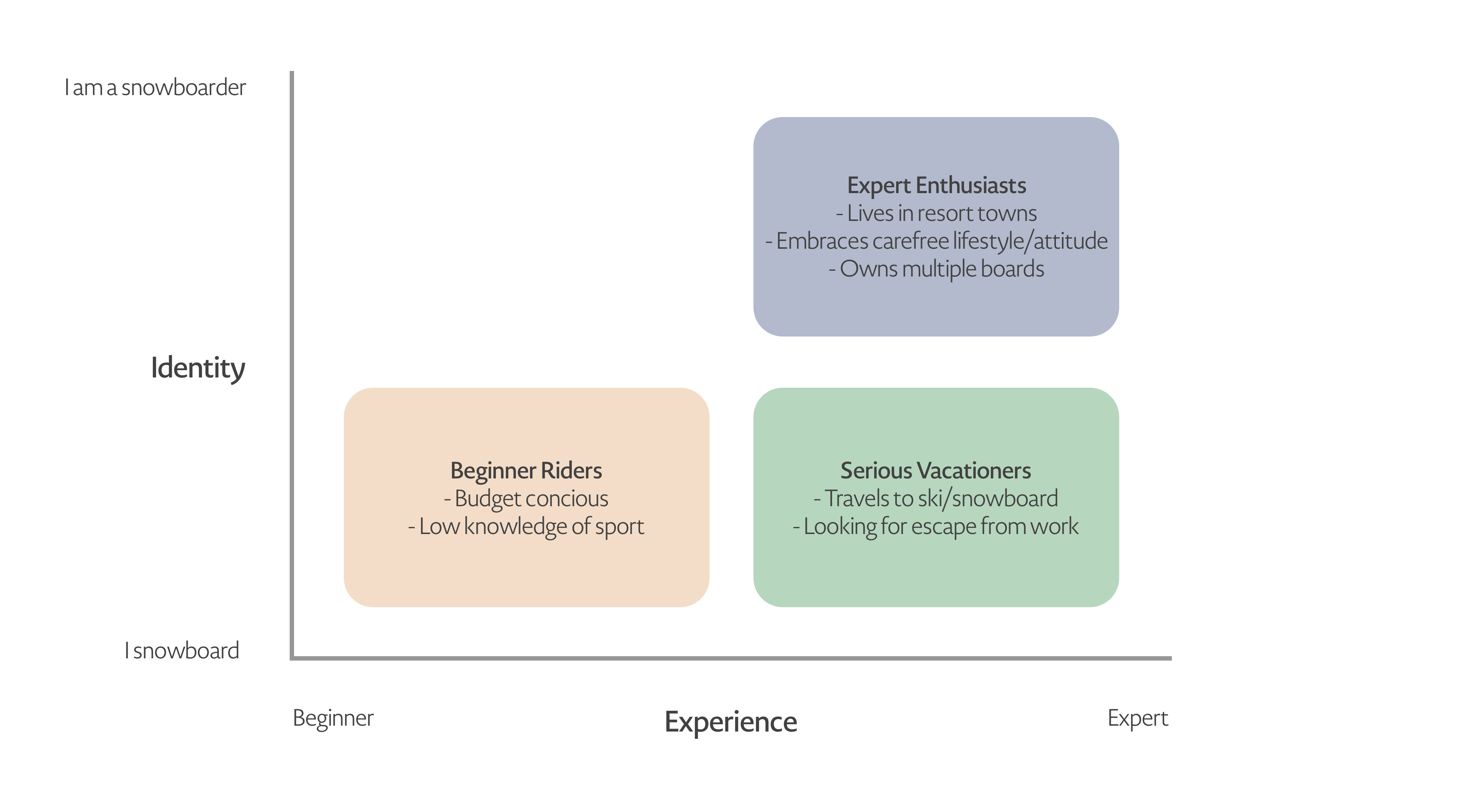
We created a set of 4 different personas, informed by user interviews with individuals who purchase skis and snowboards. For each of our personas, we uncovered a set of pain points and opportunities for Gilson Snow to address.
.jpg)
.jpg)
.jpg)
.jpg)
The stakeholder interviews and competitive analysis helped us define design principles to keep in mind when we were creating wireframes and comps.
We created two customer journey maps for Gilson: one showcasing a customer's journey with purchasing equipment from a brick and mortar store, and another showcasing a customer's journey when purchasing equipment online.
Why Retail?
Our research showed opportunities in the current brick and mortar experience that are not represented online.
Why Online?
We wanted to visualize the positives and negatives of purchasing skis/snowboards online and highlight the areas that Gilson is excelling in, along with the opportunities for growth.
Please click on the maps to view in detail.
.jpg)
.jpg)
We packed up our affinity diagram and created a presentation to communicate our findings to the Gilson Snow executive team. Prior to our meeting, we also prepared a number of different HMW statements to facilitate an ideation activity with our clients.
We traveled to New Berlin, Pennsylvania to present our findings to the Gilson Snow executive team.
During this presentation, we described our process and presented our research artifacts. This dive into the customers voice and needs allowed us to engage our clients in two design-thinking activities to brainstorm ways to address opportunities in the space.
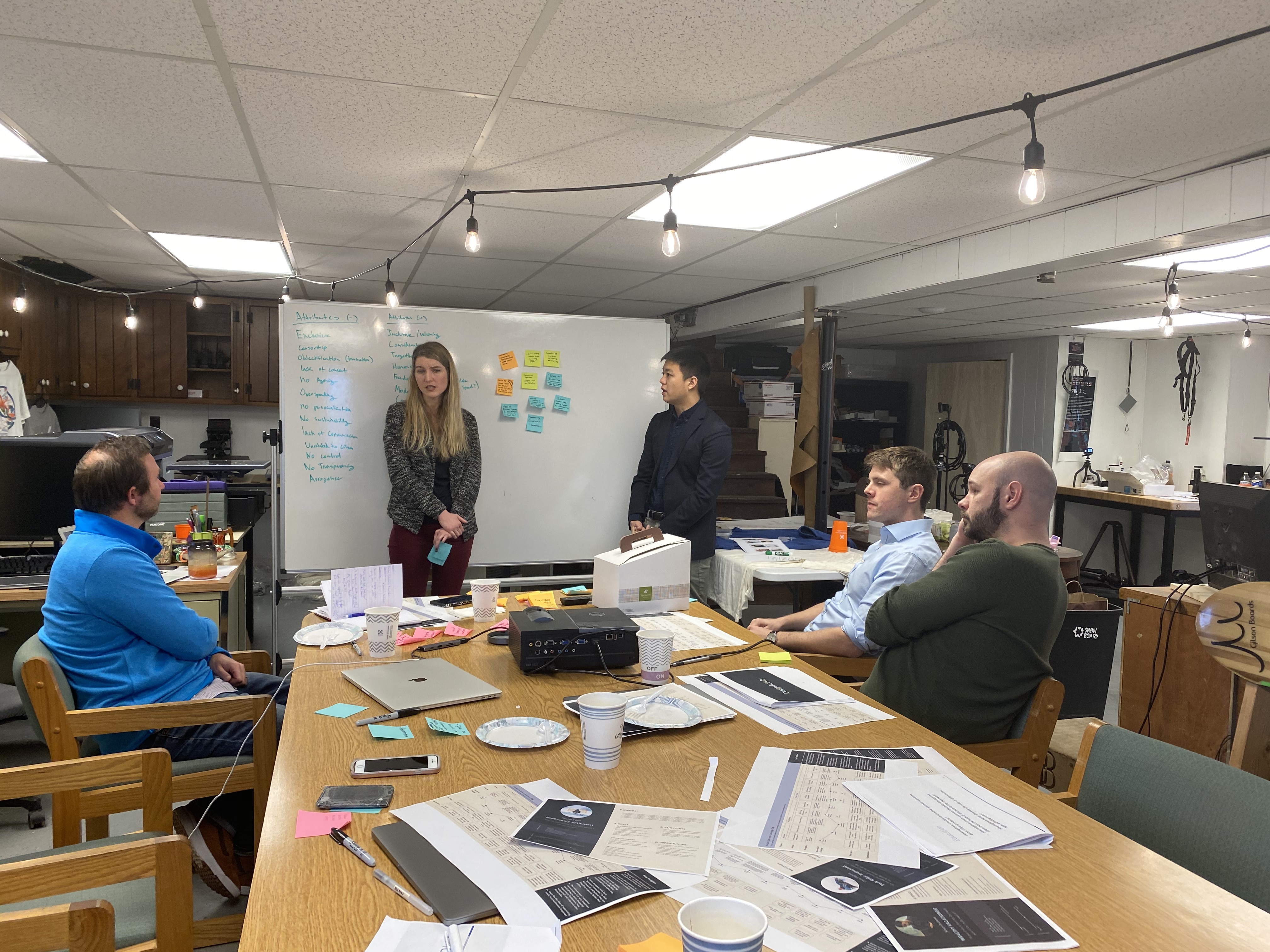
Facilitating an ideation activity
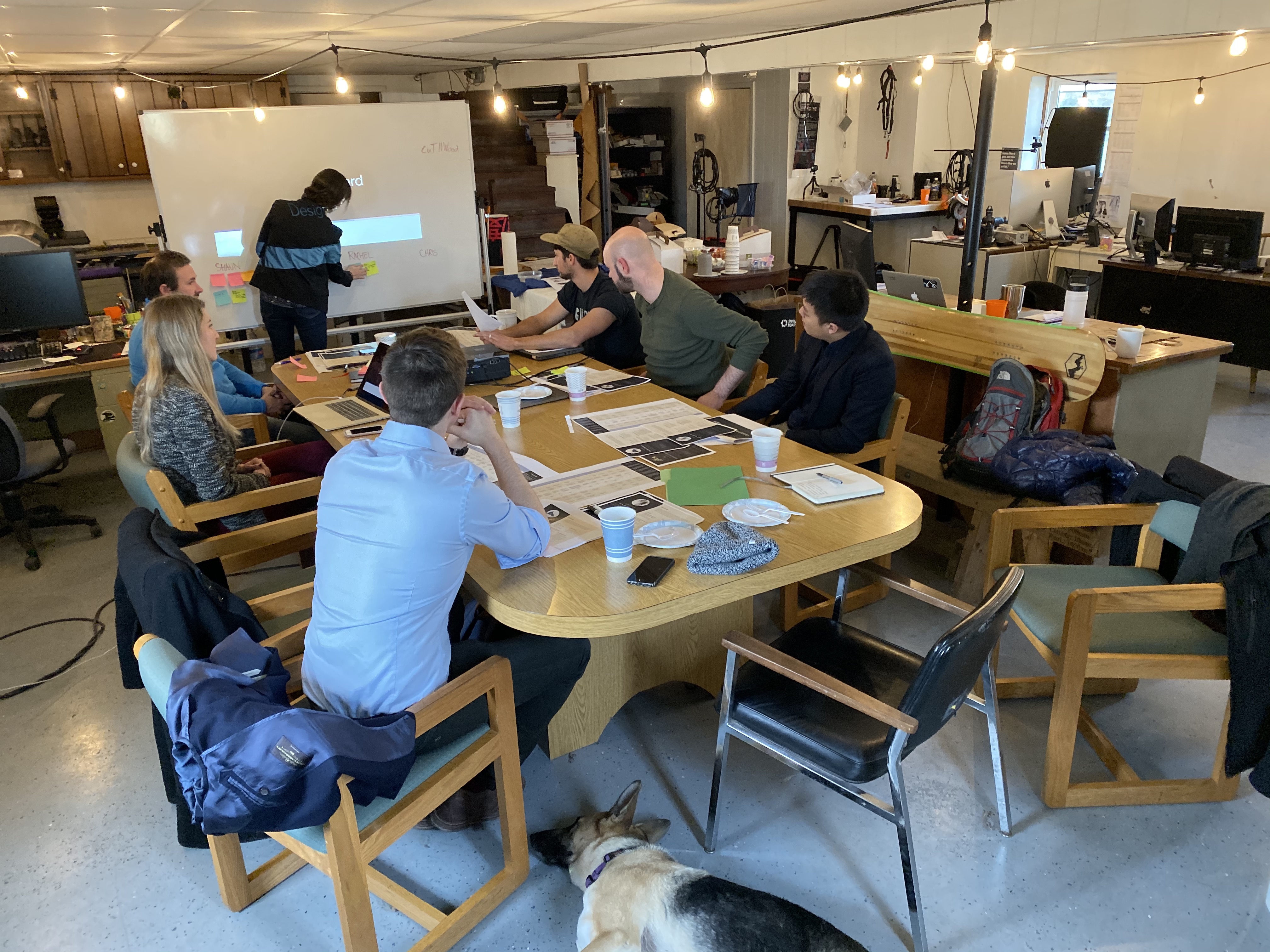
The team presenting our findings